Sectors
Security seals are a practical control layer for industries that makes tampering visible, helps prevent unauthorized access, and records the supply chain. Their single-use nature, unique serial numbers, and optional QR code/ RFID support make it easy to verify which carrier was opened, when, and by whom. This reduces the risk of loss and mix-ups, speeds up inspections, and increases customer satisfaction.
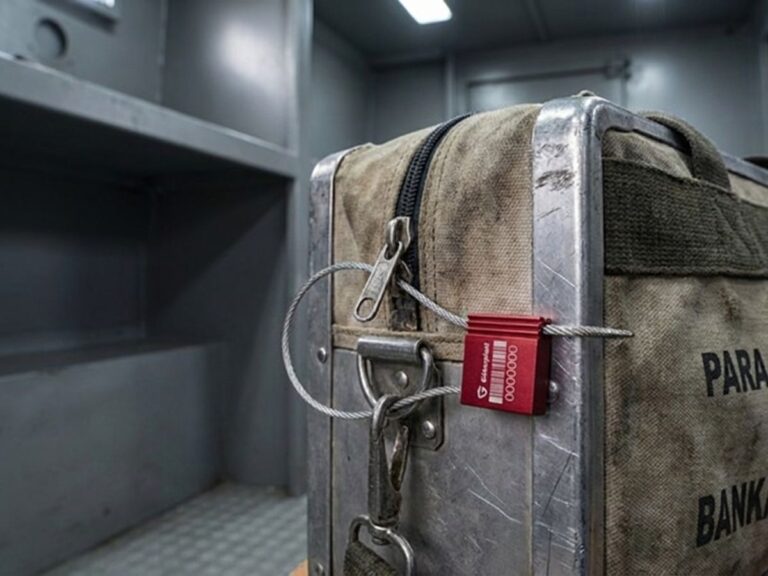
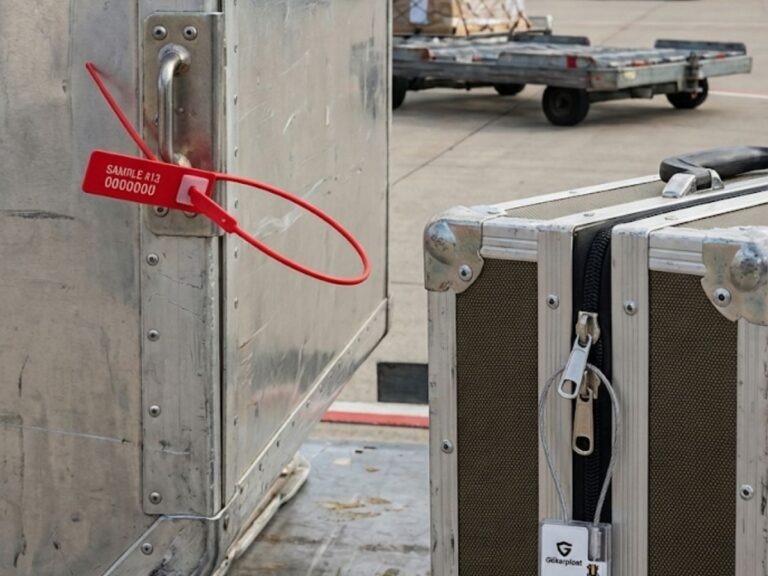
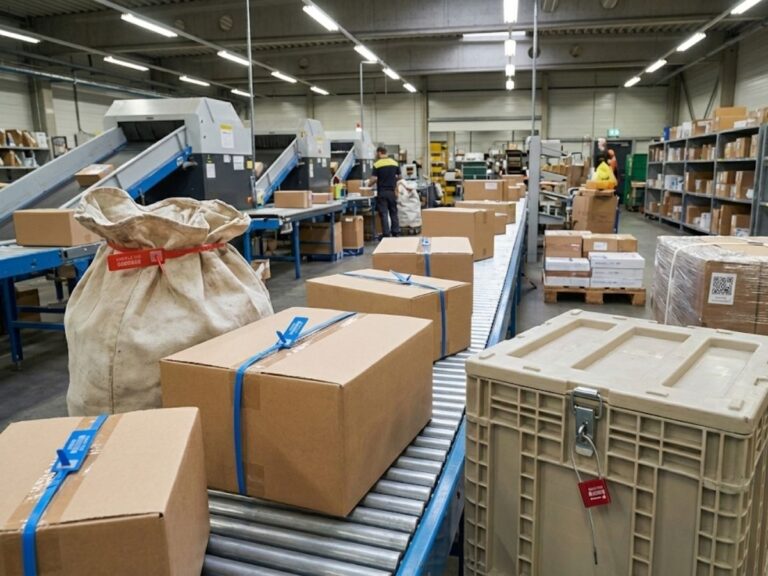
Although sectoral needs vary, the problem is the same: maintaining content integrity. In institutions with high volumes of cash and valuable document movements, seals make the delivery chain of cassettes, cash boxes, and briefcases transparent. In high-volume shipping networks, sealed boxes prevent mix-ups in the sorting-distribution-return cycle and give each box a unique identity. In long-haul transportation, sealing vehicle doors and in-vehicle safes together adds a second barrier to the risk of tampering along the route.
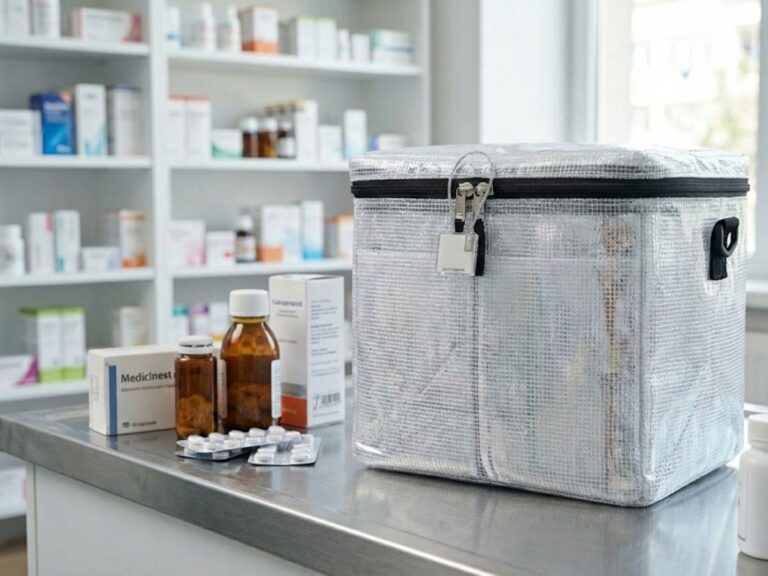
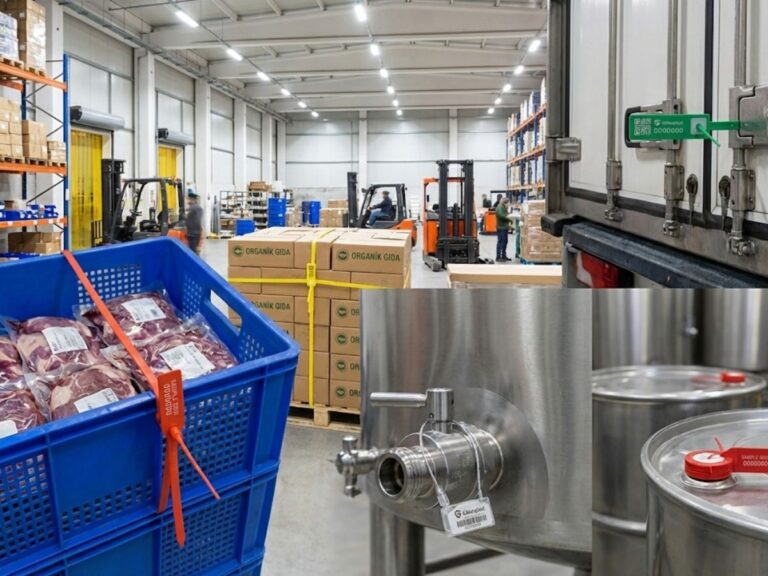
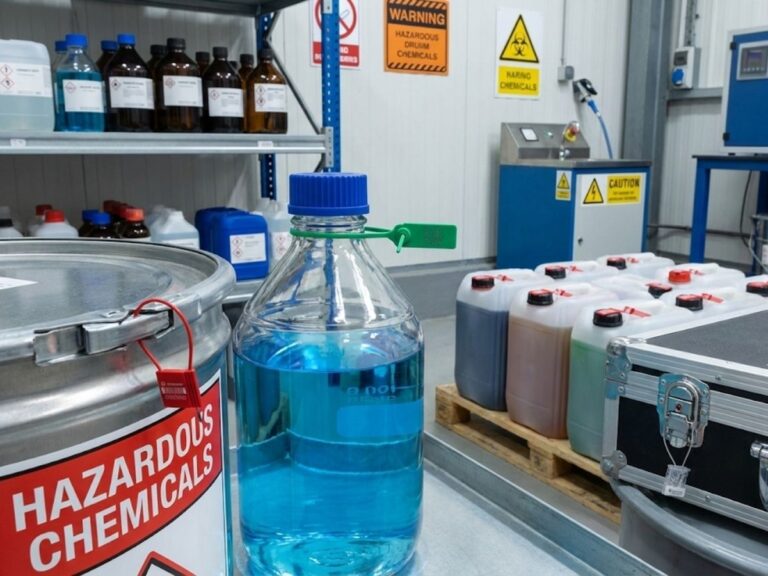
In areas where product safety and hygiene are paramount, seals permanently mark tamper-evident evidence on lids and locking points. They facilitate batch/lot tracking in cold chain transport and create a chain of evidence with traceable labels on sample lids. In healthcare and pharmaceutical logistics, box-based traceability saves time in recall and inspection processes. In production and storage areas containing chemical substances, cable-type seals are preferred for lid and valve security; suspected leaks or unauthorized tampering are documented with visual evidence.
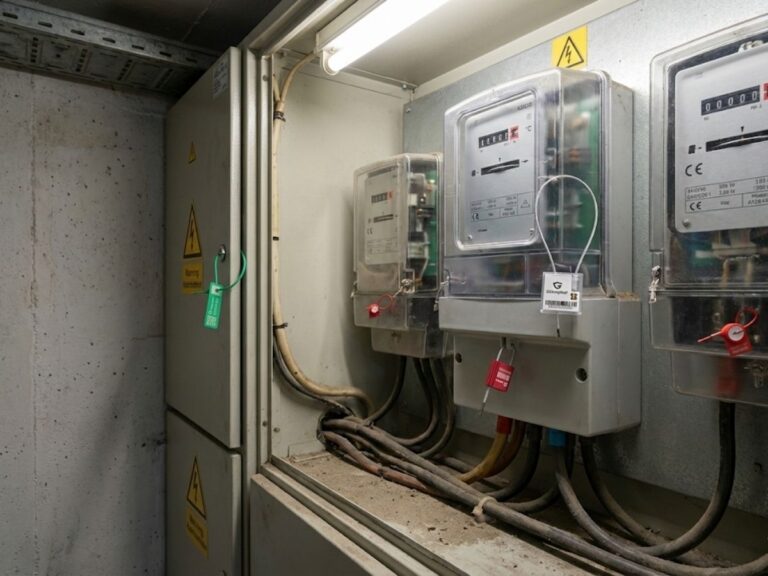
In energy distribution, sealing meters and equipment along the depot-field-assembly line prevents tampering and improves inventory accuracy. In flight operations, sealing service carts, equipment boxes, and document safes ensures standardization between shifts. In structures with a regular flow of documents, such as corporate archives, municipalities and public units, and educational and healthcare institutions, seals strengthen access discipline and clarify responsibilities. On emergency equipment (first aid kits, fire extinguishers), breakable seals show at a glance whether the kit has been used; they can be quickly replaced during periodic inspections.
The common benefits are clear across all sectors:
- Traceability: serial number/QR code-based record chain for boxes or equipment.
- Visible security: tampering attempts leave a trace; accountability and processes become transparent.
- Operational speed: significantly shorter counting, reconciliation, return, and audit times.
- Cost advantage: reduction in loss, damage and labor errors; sustainability with reusable carriers.
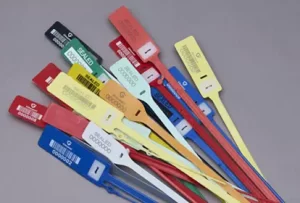
The right seal makes sense with the right surface and the right procedure. Pull-adjustable clamp seals are preferred for boxes and cases, fixed-size high-strength seals for critical cassettes and caps, cable-type seals for door-cap-valve points, and breakable seals for equipment requiring status indication. Tamper-evident (VOID) labels provide permanent evidence of attempted opening on caps and sample bottles. Color-coding policies and serial interval planning both visualize risk levels and speed up field team inspections.
The application is simple and the same across all sectors:
- The seal type is selected according to the risk level; a unique serial/QR code is assigned.
- The seal is fitted into its slot on the flap/door/zipper and its integrity is checked.
- The serial number is recorded in WMS/ERP and on the shipping document.
- At intermediate stops, seal integrity is verified visually/photographically.
- Upon arrival, the serial number is matched with the records; the seal is destroyed in accordance with the procedure.
- In return or reverse logistics, the process is restarted with a new seal.