 Okuma süresi 7 dk
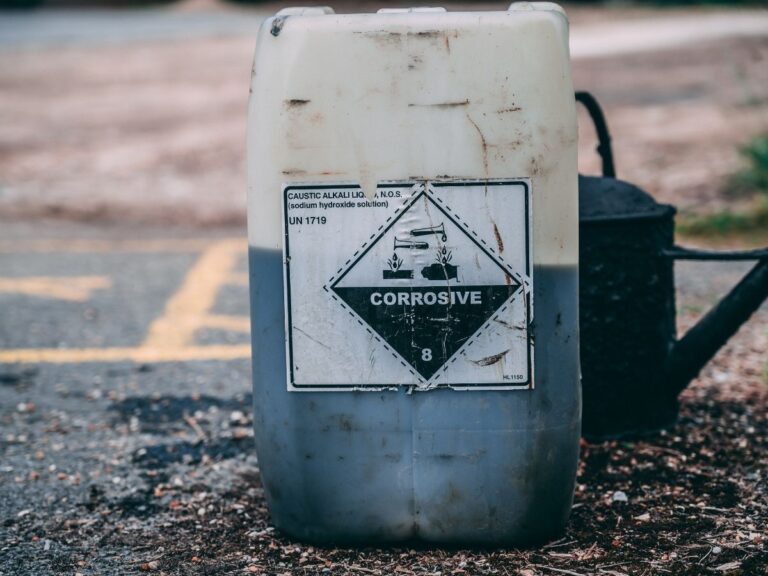
How Can the Resistance of Plastic Seals to Corrosive Environments Be Increased? To increase the resistance of plastic seals to corrosive environments, the raw material used must first have a high level of chemical resistance. Engineering plastics such as polypropylene, polycarbonate, or nylon, which are resistant to corrosive chemicals and environmental effects, should be preferred. Additionally, special coatings applied to the seal surface provide extra protection against UV rays, moisture, and chemical vapors. During the design phase, the seals’ sealing properties and strength should be optimized according to the intended application. Post-production durability tests ensure the product’s performance, making it safe for use in harsh environments.
Methods to Enhance the Water Resistance of Plastic Seals
Enhancing the water resistance of plastic seals is of critical importance for hydraulic systems, marine applications, or equipment used in humid environments. Exposure to water can lead to serious issues such as swelling, chemical degradation, or loss of mechanical strength. This situation can negatively impact the effectiveness and lifespan of seals, leading to increased costs and safety risks in systems. Various methods have been developed to prevent these issues:
Material Selection and Polymer Modification Hydrophobic Polymers
Polymers with water-repellent properties help maintain long-term performance by minimizing water absorption in seals. Materials such as PTFE (Polytetrafluoroethylene), EPDM (Ethylene Propylene Diene Monomer), or FKM (Fluorocarbon) significantly prevent water from penetrating the seal, delivering high performance.
Additives: Special additives incorporated into the polymer matrix significantly enhance the materials’ resistance to water. Additives such as nano-silica, graphene, or hydrophobic oils reduce the polymers’ water permeability, thereby extending the seals’ lifespan.
Copolymerization: Fluorine- or silicon-based monomers incorporated into polymer chains significantly improve chemical resistance and water resistance. This method reduces the water absorption rate of the seals, enabling long-term use.
Surface Treatments: Plasma Coating:
Modifying seal surfaces with plasma creates a hydrophobic layer. Thanks to this technique, the micro-roughness formed on the surfaces reduces the adhesion of water droplets, preventing water from accumulating on the seal’s surface.
Laser Texturing: Micro-patterns created using a laser provide a water-repellent effect similar to the lotus effect on seal surfaces. This process allows water to easily slide off the seal, preventing moisture buildup.
Chemical Passivation: Seal surfaces are coated with silane or fluorine-based chemicals to make them hydrophobic. This prevents water from adhering to the seal surface, thereby preventing water absorption.
Filler Materials and Composites Glass Fiber or Carbon Fiber Reinforcement:
High-strength filler materials such as glass and carbon fiber are used to enhance the mechanical strength of plastic seals while reducing water absorption. These types of filler materials also strengthen the seals’ resistance to wear and environmental effects.
Thermoset Composites: Thermoset composites reinforced with epoxy or phenolic resins exhibit superior resistance to water. These materials do not deform even under prolonged exposure to water and maintain their structural integrity.
Design Optimization: Compression Ratio:
The geometry of plastic seals must be optimized to prevent water leakage under the pressure applied during use. This maximizes the seals’ waterproofing performance.
Double-Lip Design: Double-lip designs, which provide two-stage sealing, significantly reduce water ingress into the seal and ensure safe, long-term use of the seals.
Testing and Quality Control Water Immersion Tests:
The water resistance of plastic seals is measured by exposing them to water for specific durations. During these tests, the seals’ swelling rates and structural integrity are monitored to evaluate their performance.
Humidity Chamber Tests: Long-term durability tests are conducted under high humidity and temperature conditions, such as 95% humidity and 85°C. These tests are crucial for evaluating the seals’ performance under conditions closely resembling their actual operating environments.
By combining these methods and applying them correctly, the water resistance of plastic seals can be significantly enhanced, thereby greatly improving their efficiency and service life.
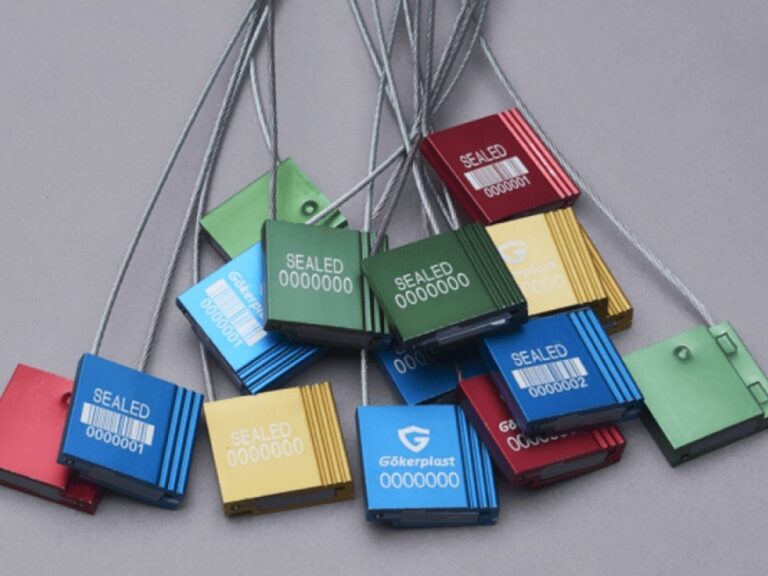
Discover our durable and reliable plastic security seals, manufactured with Gökerplast quality! Our seals, which deliver superior performance against corrosive environments and harsh conditions, elevate your product and transport security to the highest level. Find the solution that suits your needs immediately with our various models and usage options.


Chemical Coatings That Enhance Plastic Seals’ Resistance to Corrosive Environments
Plastic seals are widely used in industry but can be subject to chemical and mechanical degradation, particularly due to corrosive chemicals, acids, bases, saltwater, and harsh environmental conditions. Various chemical coatings are applied to extend the lifespan and durability of plastic seals intended for use in such conditions.
PTFE (Teflon) Coatings
Properties: PTFE coatings have an extremely low coefficient of friction and exhibit high chemical inertness. They also provide superior resistance to high temperatures. The molecular structure of PTFE coatings ensures that surfaces remain slippery and minimizes chemical reactions.
Application: PTFE coatings are typically applied to the surface of seals using spray coating or electrostatic powder coating methods. These methods ensure the coating is distributed evenly and smoothly.
Advantages: The greatest advantage of PTFE coatings is their excellent resistance to aggressive chemicals such as acids, bases, and solvents. This significantly extends the service life of the seals.
Parylene Coatings
Properties: Parylene coatings are formed by vapor deposition under vacuum. These coatings create extremely thin, homogeneous, and completely impermeable layers without microscopic pinholes.
Applications: They are particularly preferred in sensitive and critical applications such as medical devices, electronic components, and high-humidity environments.
Durability: Parylene coatings provide effective protection against UV rays, corrosion, and abrasion, thereby significantly increasing the durability of the coated plastic seals.
Ceramic-Based Coatings
Alumina or Zirconia Coatings: Ceramic-based coatings stand out for their high hardness and wear resistance. Alumina (Al₂O₃) and Zirconia (ZrO₂) coatings protect plastic seals against abrasive particles and mechanical effects caused by friction.
Application Technique: These coatings are applied using thermal spray or sol-gel techniques. Thermal spray involves spraying ceramic particles onto the surface at high temperatures, while the sol-gel method uses chemical solutions to provide thin and uniform surface coatings.
Polyurethane and Epoxy Coatings
Flexibility and Adhesion: Polyurethane coatings are ideal for environments requiring flexibility and impact resistance. They prevent the seal from being damaged by physical impacts, ensuring a long service life.
Chemical Resistance: Epoxy coatings, on the other hand, exhibit high resistance to acids, bases, and various chemicals. They are particularly preferred in industrial applications where there is heavy chemical exposure.
Ion Implantation
Technique: The surfaces of the seals are bombarded with high-energy ions, causing hardening in the surface layer during this process.
Result: This method increases the resistance of plastic seals against wear and corrosion, thereby significantly improving their performance and durability.
Silicone-Based Coatings
Heat Resistance: Silicone-based coatings provide stability across a wide temperature range from -50°C to 200°C. Thanks to these properties, they can be used under extreme temperature conditions.
Water Repellency: One of the most important properties of silicone coatings is their high water repellency. This protects plastic seals against degradation caused by moisture and water.
Nanocomposite Coatings
Nanoparticles: Coatings reinforced with TiO₂ (Titanium Dioxide) or ZnO (Zinc Oxide) nanoparticles enhance the seals’ resistance to UV rays and can also impart antibacterial properties.
Graphene-Infused Coatings: Graphene-infused nanocomposite coatings provide excellent electrical conductivity and enhance mechanical strength, making plastic seals superior in both mechanical and electrical performance. This enables plastic seals to be preferred in a wider range of applications.
Discover Gökerplast Security Seals Today! Explore our security
products across categories such as meters, strap seals, high-security seals, and many more. Experience Gökerplast’s seal solutions that combine quality and security.
Similar Articles