 Okuma süresi 6 dk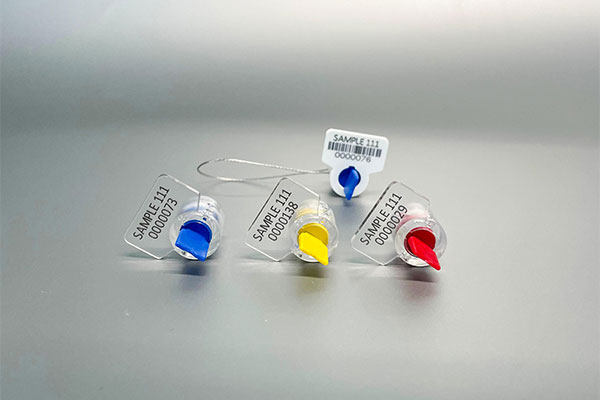
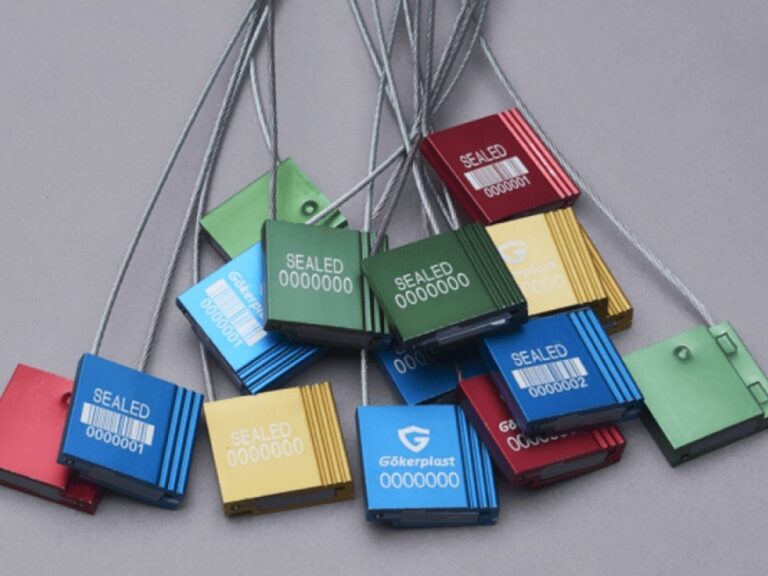
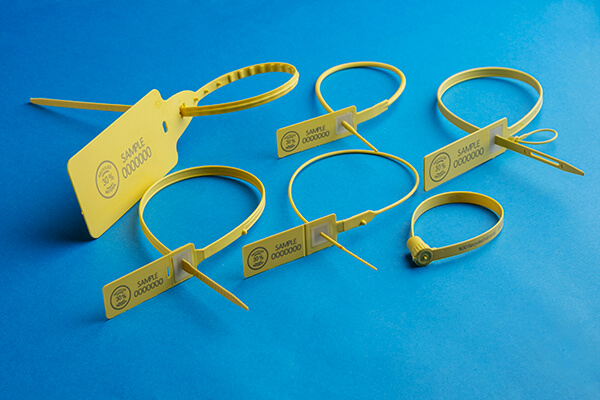
Single-use security seals are physical security components that play a critical role in safeguarding the integrity of products or shipping units, preventing unauthorized access, and detecting tampering. These seals are widely used in sectors such as logistics, medical products, the food industry, aviation, energy, and finance.
The Primary Function of Single-Use Security Seals
Single-use seals are defined by their tamper-evident feature. Once used or opened, they are irreversibly damaged, leaving evidence of unauthorized access or tampering. The primary objectives of these seals are as follows:
- Physical Security: Preventing products from being opened during transportation or storage.
- Tamper Detection: To prove unauthorized access through breaks, tears, or deformations in the seal.
- Traceability: Tracking the product’s supply chain using unique serial numbers or barcodes.
- Legal Compliance: Ensuring compliance with international standards (ISO 17712, TAPA).
Design Stages and Technical Specifications
The design of security seals relies on factors such as material selection, mechanical structure, authentication systems, and production techniques. An ideal seal must meet the following criteria:
Material Selection
- Polymers (Plastics): High-strength polymers such as ABS, polycarbonate, or thermoplastic polyurethane offer low cost and design flexibility. Additives are incorporated for UV resistance and chemical resistance.
- Metal Alloys: Stainless steel or aluminum is used in high-security applications requiring resistance to cutting or breaking.
- Composite Materials: Fiberglass-reinforced plastics provide both lightweight properties and high tensile strength.
- Smart Materials: Conductive polymers that can be integrated with RFID or NFC are used for digital traceability.
Mechanical Design
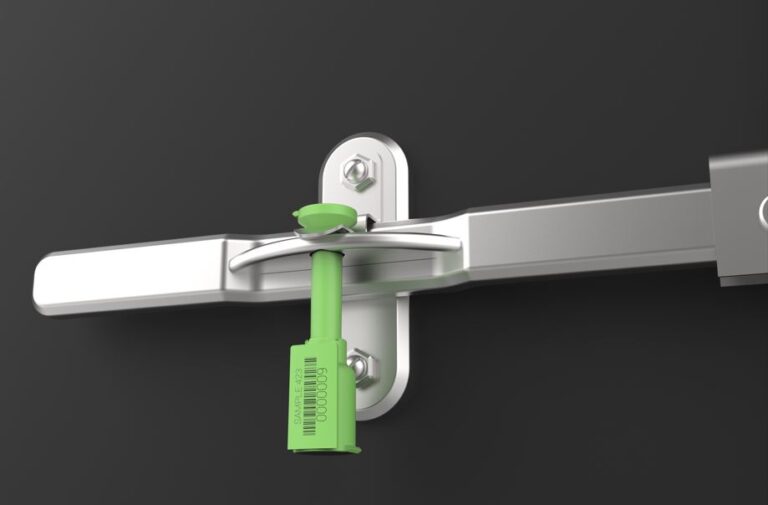
- Locking Mechanisms: One-way latch systems cause reverse damage when the lock is opened. For example, "ball-lock" mechanisms ensure that small balls scatter when the seal breaks.
- Fragile Zones: Special weak points (stress concentrators) are designed into the seal tape to leave a clear breakage mark upon rupture.
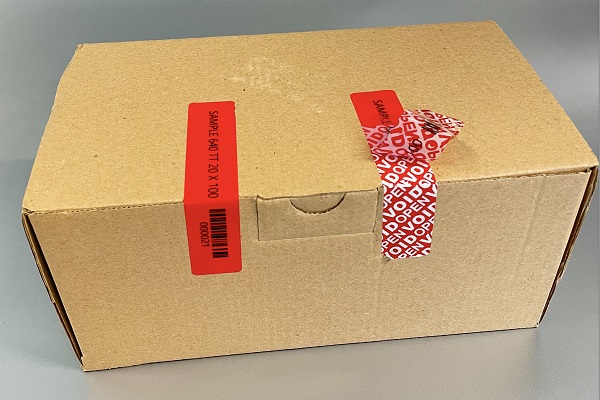
- Adhesive Systems: In adhesive seals, micro-structured adhesives that create a "VOID" effect during removal are used.
Authentication and Traceability
- Serial Numbers: Unique codes added via laser engraving or embossing.
- QR Code/Barcode: Digital identifiers scannable by mobile devices.
- Hidden Features: Ink visible under UV light or holographic labels.
- Blockchain Integration: Recording seal opening data on immutable blockchains.


Production Techniques
- Injection Molding: High-precision manufacturing for plastic seals.
- Metal Processing: Cutting and shaping on CNC machines.
- 3D Printing: For prototype development or customized seals.
Discover Gökerplast Security Seals Today! Explore our security products
now, including meters, strap seals, high-security seals, and many other categories. Experience Gökerplast seal solutions that combine quality and security.


Technical Performance and Testing Standards
The reliability of seals must be proven through tests compliant with international standards:
Mechanical Tests
- Tensile Strength: The maximum force the seal can withstand without breaking (at least 1,800 kgf according to ISO 17712).
- Bending Resistance: Deformation tests on metal seals.
- Impact Test: Drop-from-height simulations.
Environmental Tests
- Temperature Resistance: Maintaining integrity between -40°C and +85°C.
- Resistance to Moisture and Chemicals: Exposure to saltwater, oil, or solvents.
Manipulation Tests
- Simulation Scenarios: Testing the resealability of the seal.
- Tool-Based Attack Simulations: Attempts to tamper with the seal using cutting tools.
The Industrial Importance and Application Areas of Single-Use Security Seals
Single-use security seals offer solutions that address the critical needs of modern industry and have become indispensable across many sectors. The industrial importance of these seals is directly linked to the physical security, tamper detection, and traceability features they provide. They are widely used, particularly in sectors such as logistics, healthcare, energy, and retail, to protect the integrity of products and systems.
The logistics and transportation sector is one of the areas where single-use seals are used most intensively. For example, the security of containers used in international trade is ensured by seals compliant with the ISO 17712 standard. These seals stand out as an effective tool in preventing cargo theft. Seals applied to container doors can only be opened by authorized personnel and break irreversibly upon any unauthorized access attempt. This ensures the integrity of products during transport while minimizing security vulnerabilities in the supply chain. Additionally, seals used in air cargo transportation play a critical role in ensuring compliance with customs regulations. Customs officials verify that the seals are intact, confirming that products are transported in accordance with legal procedures. This prevents time and cost losses in international trade while enabling transparent supply chain management.
In the Pharmaceuticals and Medical Products sector, single-use seals are used to reduce risks that directly impact human health. Seals on pharmaceutical packaging are designed to prevent counterfeit production. High-value pharmaceuticals or vaccines, in particular, are protected against tampering risks with these seals. A break or deformation in the seal indicates that the product’s authenticity has been compromised and helps prevent situations that could endanger consumer safety. In the medical field, seals used on blood bags or sterile medical device packaging ensure that products remain sterile. For example, when the seal on a blood bag is opened, it leaves a permanent mark on the packaging surface, indicating the possibility of contamination. This reduces the risk of infection in a hospital setting and supports patient safety.
In the Energy and Infrastructure sector, single-use seals are used to prevent unauthorized access and sabotage risks. Seals applied to electricity meters prevent unauthorized opening of the meters, thereby preventing energy theft. Similarly, seals placed on valves in pipelines or energy transmission systems immediately detect attempts at physical tampering. These seals offer a practical solution for monitoring energy infrastructure, particularly in remote areas. A breach in the seal enables maintenance teams to receive immediate alerts regarding unauthorized access, thereby ensuring operational continuity. Additionally, seals applied to the hatches of tankers used in oil or natural gas transportation prevent product loss or theft during transit.
In the retail and e-commerce sectors, single-use seals are used to enhance consumer trust and protect brand reputation. High-value electronic products or luxury goods carry the risk of damage or tampering during delivery. Seals added to the packaging of these products prove to the consumer that the item has not been opened from the factory until it reaches them. Especially on e-commerce platforms, a significant portion of customer complaints involve damaged or missing products. Sealed packaging provides concrete evidence to resolve such disputes. Additionally, holographic seals or custom-designed labels used in luxury fashion products prevent counterfeit items from entering the market. This helps brands maintain their credibility with customers while also contributing to the fight against counterfeiting in the industry.
Single-use security seals reduce operational risks across various industrial sectors while meeting legal and commercial requirements. In logistics, they ensure supply chain security, while in the healthcare sector, they preserve the integrity of critical products. They minimize the risk of sabotage in energy infrastructure while enhancing customer satisfaction in retail. These versatile application areas continue to reinforce the industrial importance of security seals day by day.
Similar Articles