 Okuma süresi 9 dk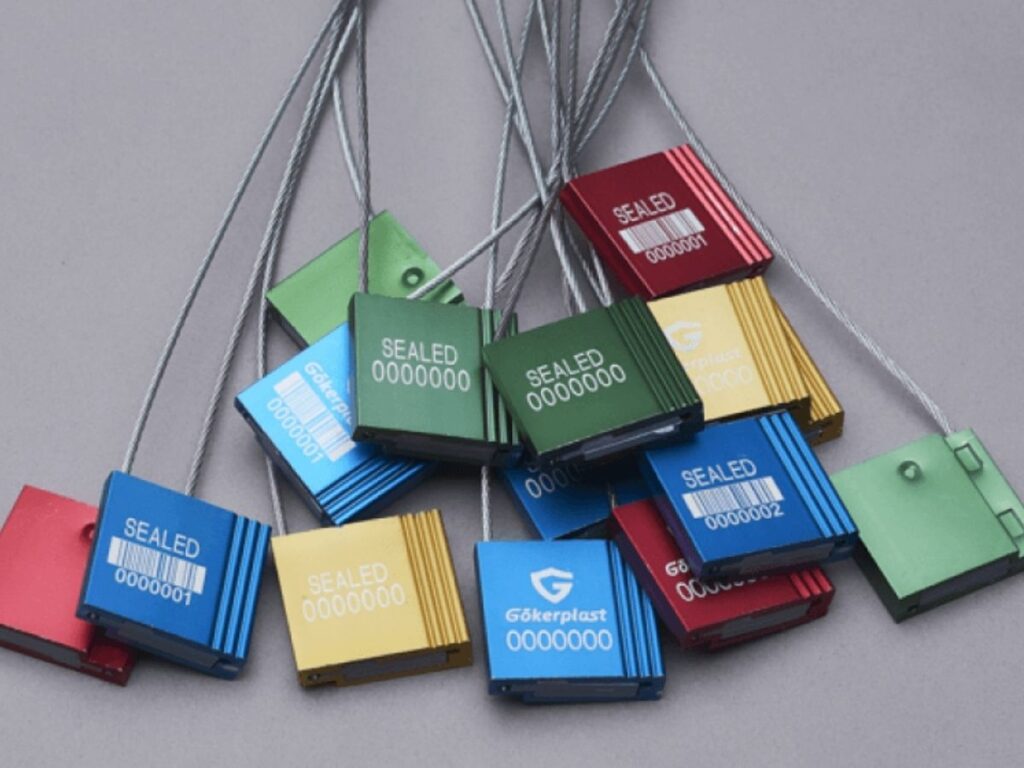
What Is an RFID Seal Tag? In industries where security, tracking, and traceability are critical, innovative solutions offered by technology are taking center stage. One such solution, the RFID seal tag, is being used as a revolutionary innovation across many sectors, from logistics and manufacturing to customs and healthcare. So, what exactly is an RFID seal tag? In which fields is it used? How does it work?
The Basics of RFID Technology
RFID (Radio Frequency Identification) is an identification system based on data transmission via radio frequency. This system operates through wireless communication between a reader and an RFID tag. Tags are typically placed on or inside objects and store various types of information thanks to the microchip they contain.
Main Components of an RFID System:
- RFID Tag: Contains a microchip and an antenna that carry data.
- RFID Reader: A device that detects signals from tags.
- Antenna: Facilitates communication between the tag and the reader.
- Software: Processes and stores data received from the reader.
What Is an RFID Seal Tag?
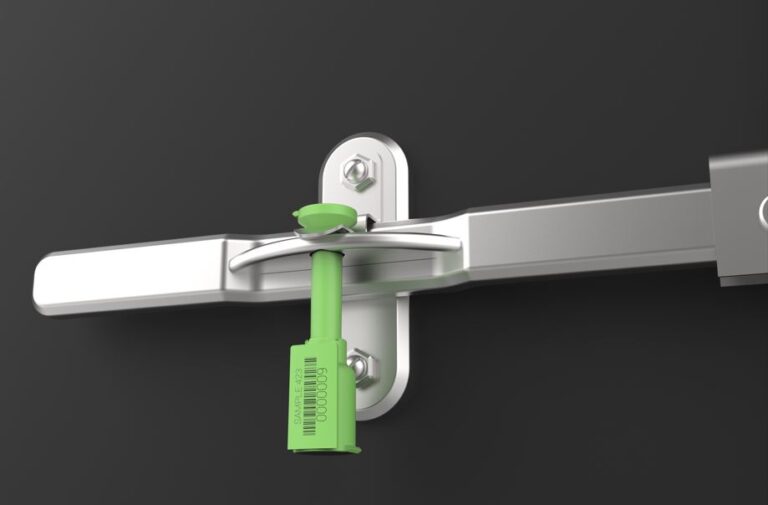
An RFID seal tag is the digital integration of traditional sealing systems. By combining physical sealing systems with the wireless data transmission offered by Radio Frequency Identification (RFID) technology, it provides a hybrid solution that enables both product tracking and security monitoring.
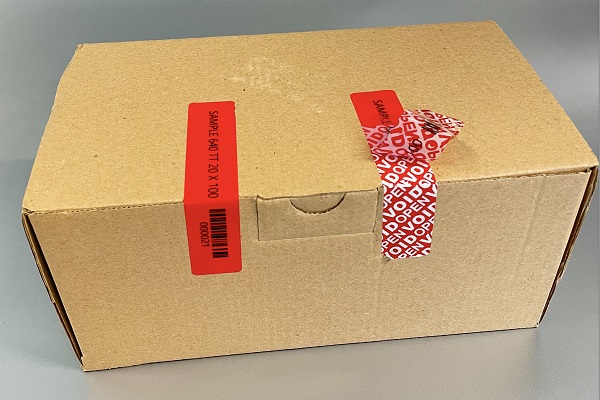
These seal tags are used, particularly in logistics, customs, fuel transportation, the defense industry, and sectors requiring high security, to instantly and automatically detect whether there has been any external tampering with the contents of transported goods. When the lid of a container, tanker, or box is opened, the seal mechanism is damaged, and the RFID signal is either completely cut off or altered, causing the system to detect it as “tampered with.”
Key Features of the RFID Seal Tag
🔒 Single-Use
RFID seal tags are designed for single-use only. Once opened, their structure is compromised and they cannot be resealed in the same manner. This prevents reuse and eliminates security vulnerabilities. Thanks to their single-use design, a secure and transparent data flow is ensured at every step of the supply chain.
🆔 Contains a Unique Identification Number
Each RFID seal label contains a unique identifier (ID) assigned during the production process. Thanks to this identifier, the system records which product or container each seal was used for. This prevents risks such as mix-ups, the use of counterfeit seals, or double sealing.
📡 Readable from a Distance
RFID seal tags can be read contactlessly. This means there is no need to physically open the seal or scan a barcode on it. These tags, which can be read from a few centimeters to several meters away using RFID readers, provide significant convenience, particularly in loading areas or at customs checkpoints. This translates to time savings and increased labor efficiency in operational processes.
⚠️ Tampering Is Detected
The RFID chip and antenna structure on the tag allow the system to detect any loss of integrity immediately. Tampering, forced opening, or cutting attempts cause the RFID signal to be disrupted. In such cases, an alert can be triggered through the system, the incident is recorded, and relevant personnel are notified if applicable. This feature ensures that unauthorized interventions on products or transport vehicles are documented with evidence.


How the RFID Seal Label Works
These seal tags are attached to a specific object or sealed container. The tag can be scanned by an RFID reader from a certain distance. The unique identification information stored on the chip within the tag is recorded by the system.
When the seal is opened or damaged:
- The antenna structure is damaged.
- The RFID signal is either completely interrupted or altered.
- This situation is detected by the system as "unauthorized access."
This ensures both physical security and digital tracking simultaneously.
RFID Seal Label Applications
RFID seal tags play critical roles in many different industries. Here are the main applications:
1. Logistics and Transportation
- Container sealing
- Security tracking during transport
- Customs checkpoints
2. Energy and Fuel Distribution
- Sealing of fuel tankers
- Filling and unloading control
- Prevention of smuggling
3. Food and Pharmaceutical Industry
- Cold chain transportation
- Pre-consumption product safety
- Traceability
4. Government Agencies and Customs
- Customs seals
- Secure transportation in international trade
- Counterfeit prevention
5. Defense and Security Sector
- Sealing of ammunition and munitions boxes
- Military logistics tracking
- Equipment security
Benefits of RFID Seal Tags
RFID seal labels go far beyond traditional sealing methods; they offer smart security and tracking solutions that meet the demands of the digital age. Thanks to these innovative labels, you get not only physical sealing but also a range of benefits such as automatic data transfer, event tracking, and process optimization.
Here are the key benefits of RFID seal labels:
✅ High Security
RFID seal labels are smart systems capable of immediately detecting unauthorized opening or tampering. While traditional seals rely solely on physical damage indicators for detection, RFID seals:
- Signal transmission is interrupted or altered when the seal is opened.
- This change is automatically recorded in the system as a “seal breach.”
- An immediate alert can be sent to the user or the relevant department.
Additionally, thanks to the unique ID on the seal, the use of counterfeit seals or the reapplication of a tampered seal is impossible. This makes RFID seal tags indispensable for high-security transportation and storage processes.
✅ Real-Time Tracking
RFID seal tags enable real-time data transmission via fixed or mobile readers. Thanks to this feature:
- The location and time of sealing for a product or container are automatically recorded in the system.
- The product’s location and security can be monitored by performing RFID scans at various points along the route.
- Violation incidents can be instantly transmitted to management dashboards, mobile devices, or alarm systems.
Thanks to these capabilities, operational control reaches its maximum level, particularly in logistics, fuel transportation, and customs operations.
✅ Increased Efficiency
RFID seal tags digitize operational processes by eliminating the need for manual checks and document tracking. This:
- Reduces the risk of human error.
- Eliminates the need for manual counting, seal verification, or record-keeping.
- Sealing and tracking processes become much faster, more reliable, and cost-effective.
Especially in businesses with multi-location shipments and high warehouse traffic, RFID systems enable significant savings in time, labor, and operational costs.
✅ Counterfeit and Loss Prevention
Each RFID seal tag carries a unique identification number (UID) assigned to it during production. This UID can be matched with global systems and corresponds one-to-one with the product. As a result:
- Each seal is valid only for the designated product or container.
- The system automatically alerts against attempts to clone or re-seal the tag.
- The use of counterfeit seals, the circulation of counterfeit products, and unauthorized tampering are significantly prevented.
This feature is critical when transporting high-risk products (fuel, pharmaceuticals, food, defense products).
✅ Easy Integration with Enterprise Systems
RFID seal labels can be easily integrated with software used by businesses, such as ERP (Enterprise Resource Planning), WMS (Warehouse Management System), and TMS (Transportation Management System). This allows:
- Sealing, shipping, and delivery processes are managed from a single dashboard.
- Product movements, seal status, and security information can be monitored in real-time within the central system.
- Process improvements can be made through automated reporting and analysis.
Thus, RFID seal labels become not just a security solution but a part of the corporate digital transformation process.
Types of RFID Seal Tags
RFID seal tags vary depending on different needs. Here are the most commonly used types:
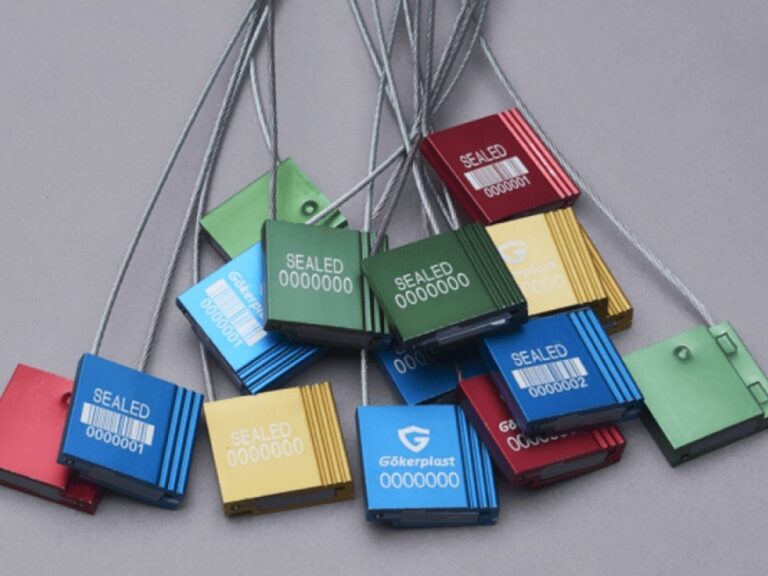
1. Cable-Type RFID Seal
- Container sealing with an adjustable steel cable
- Suitable for long-distance transport thanks to its durable outer structure
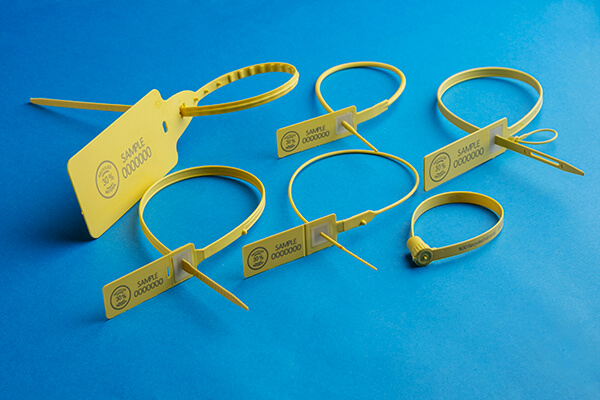
2. Plastic-Bodied RFID Seal
- Ideal for light shipments and small packages
- Cost-effective
3. Metal-Bodied RFID Seal
- Used in industries requiring high durability
- Resistant to extreme temperatures, humidity, and vibration
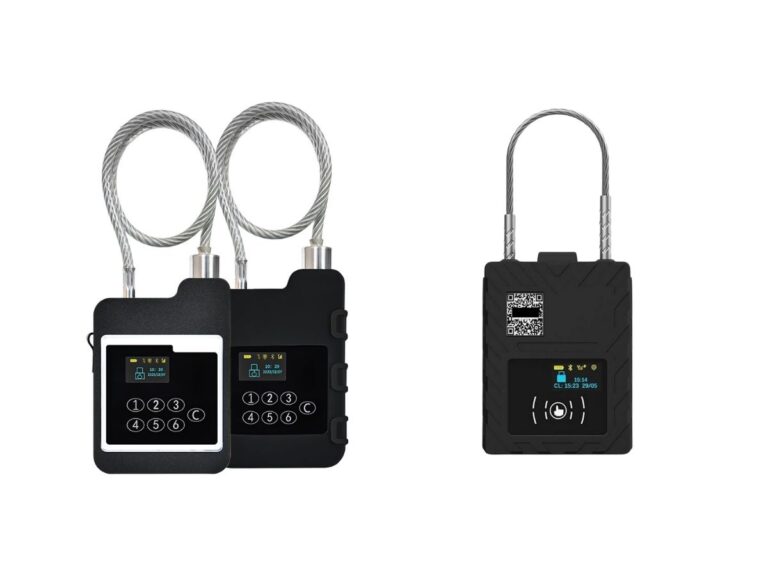
4. Smart Seals
- Includes additional sensors such as GPS, temperature, and humidity
- Can be integrated with IoT
RFID Seal Labels and ISO/IEC Standards
In industries where RFID sealing systems are widely used, reliability, traceability, international validity, and compliance with regulations are of critical importance. For this reason, RFID seal labels are inspected not only for their technological aspects but also for their compliance with international standards.
Compliance with standards ensures that an RFID seal label can function as part of a secure, durable, and sustainable system. Below, you can review the primary standards applicable to RFID seal labels and their contents in detail:
ISO 17712: High-Security Seals for Shipping Containers
ISO 17712 is a standard developed specifically to ensure the security of containers used in international transport. This standard covers the classification and testing of physical seals at specific security levels.
Standard Content:
- Seals must not be able to be opened without being damaged
- Seals must undergo durability tests (tensile, bending, cutting, etc.)
- The seal must bear manufacturer information, a serial number, and unique identifiers
- The ability to detect unauthorized tampering
RFID Integration:
When designed in accordance with ISO 17712, RFID seal tags provide both physical security and enable automatic identification and tracking of opening via RFID. This makes them indispensable, particularly for customs clearance and high-value transportation.
ISO/IEC 18000 Series: RFID Communication Protocols
This series of standards addresses the frequencies, communication protocols, and reader/tag interactions of RFID systems. ISO/IEC 18000 specifies how RFID devices operate across different bands and which data transmission methods they use.
ISO/IEC 18000 Sub-Standards:
- 18000-2: Low-frequency (LF) systems
- 18000-3: High-frequency (HF) systems
- 18000-6: Ultra-high frequency (UHF) systems
- 18000-7: Active RFID systems
Why Is This Important?
Compliance of RFID seal tags with these standards:
- Ensures cross-compatibility with reader devices.
- Ensures that the same seal operates seamlessly across different regions or systems.
- Is critical for data transmission security and consistency.
Discover Gökerplast Security Seals Today! Explore our security
products across categories such as meters, strap seals, high-security seals, and more. Experience Gökerplast’s seal solutions that combine quality and security.
Similar Articles